
Recently my friend Tim purchased an apartment building in an urban area.
It had been around for quite a while and was built to be an apartment building so he figured there was very little environmental risk.
The bank, however, required an environmental desktop report.
To his surprise, the report came back with a few items of possible concern.
This is because about half a block up there was a retail shopping center that had a gas station in it many years ago. Even though you could not tell it now, previously there had been buried tanks in the ground.
There was some concern about a possible leak that had migrated in the groundwater underneath Tim’s property.
Thankfully after a review it appeared that Tim’s property was unaffected.
But Tim learned an important lesson. Just because it’s an apartment building does not mean that you should risk ignoring environmental factors.
Below is a practical overview of what apartment building owners should understand and actively manage regarding environmental factors.
1. Environmental Due Diligence: It Starts Before You Buy
When acquiring a multifamily property, environmental risk should be evaluated as carefully as rent rolls and capital expenditures. The foundation of this process is either a Desktop Report or a Phase I Environmental Site Assessment, conducted under standards established by the Environmental Protection Agency.
A Phase I review examines:
- Historical uses of the property
- Adjacent property risks (former gas stations, dry cleaners, industrial uses)
- Regulatory records
- Visual inspection of the site
A Desktop report examines all these items without a physical inspection in person. If red flags appear, a Phase II investigation (soil or groundwater testing) may follow.
Why this matters:
- Lenders typically require a Phase I.
- Environmental liability can attach to current owners—even if they did not cause the contamination. Cleanup costs can run into six or seven figures, so if liability falls on the owner, it is a serious matter.
For long-term holders, proper due diligence protects not just capital but insurability and refinancing flexibility.
2. Asbestos: Common in Older Multifamily Buildings
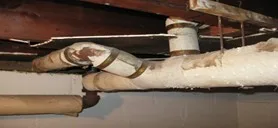
If your building was constructed before the 1980s, asbestos may be present in:
- Pipe insulation
- Floor tiles (especially 9”x9”)
- Ceiling tiles
- Roofing materials
- Boiler insulation
Intact asbestos is generally not dangerous. The risk arises when materials are disturbed during renovations or maintenance.
Owners should:
- Test before renovations
- Use licensed abatement contractors
- Maintain documentation of testing and remediation
Failure to properly handle asbestos can lead to tenant health claims and regulatory penalties.
3. Lead-Based Paint: A Serious Liability Risk
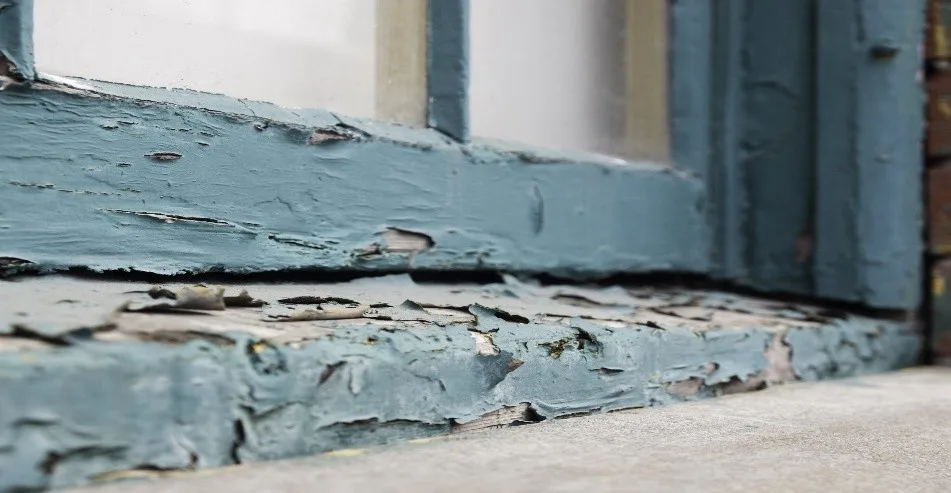
In buildings constructed before 1978, lead-based paint is a known risk. Federal disclosure rules require sellers and landlords to notify tenants about known lead hazards.
The Environmental Protection Agency and the Department of Housing and Urban Development enforce lead regulations for rental housing.
Owners should:
- Provide proper lead disclosures
- Address deteriorated paint immediately
- Use EPA-certified contractors for renovation (RRP Rule compliance)
- Maintain records of compliance
Lead exposure claims can result in substantial settlements, especially where children are involved. From a risk management standpoint, proactive inspection and remediation are far less costly than litigation.
- Certain Municipalities are rolling out lead abatement programs that are targeting both lead water pipes and lead paint on older properties. Landlords need to be aware of the monitoring status of their municipalities and take care to conform to safety standards.
4. Mold and Moisture Control
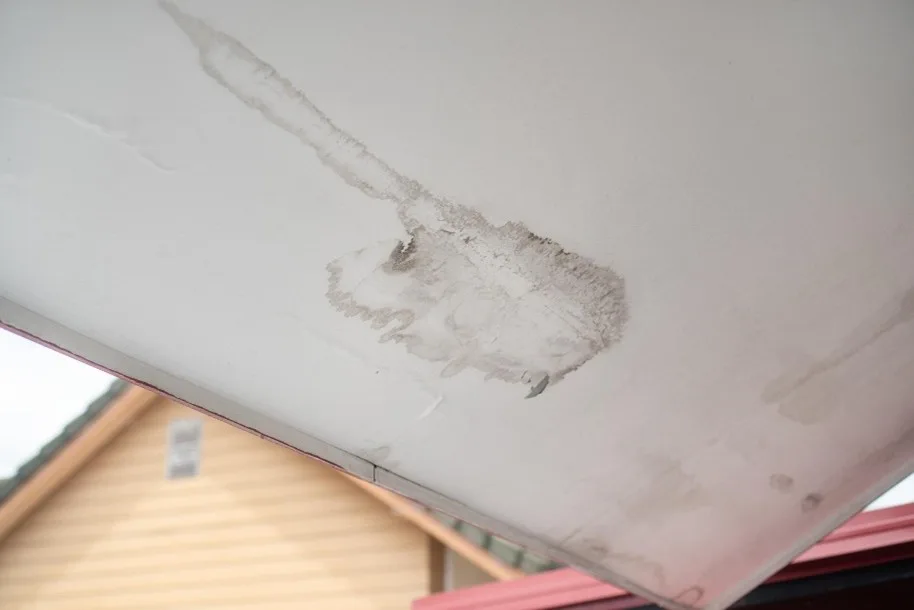
Mold is not regulated federally in the same way as asbestos or lead, but it is one of the most common tenant complaints.
The real issue is moisture control. Mold growth is typically caused by:
- Roof leaks
- Plumbing failures
- Poor ventilation
- Foundation water intrusion
Best practices:
- Respond to water complaints within 24 hours
- Document all maintenance responses
- Install proper ventilation in bathrooms and laundry rooms
- Conduct routine roof and gutter inspections
Beyond health concerns, chronic moisture issues accelerate building deterioration and destroy asset value. Many people are developing mold allergies, which can cause major concerns for tenants and Landlords alike if mold is in a building where tenants have a sensitivity.
5. Underground Storage Tanks (USTs) and Fuel Systems
Older apartment complexes sometimes used underground heating oil tanks. Even if a tank is no longer in service, residual contamination can exist.
If a tank is discovered:
- Conduct testing immediately
- Notify regulators as required
- Budget for potential soil remediation
Environmental contamination from petroleum is among the most expensive issues to resolve. Owners planning refinancing or disposition should verify tank status well in advance and be prepared to document.
6. Stormwater, Drainage, & Flood Risk
Environmental risk isn’t limited to toxins—it includes physical risk from water and climate events.
Owners should evaluate:
- Floodplain status
- Drainage patterns on-site
- Stormwater management systems
- Retention basins and grading
Insurance carriers are increasingly underwriting flood exposure more aggressively. Properties located in high-risk flood zones may face:
- Higher premiums
- Coverage limitations
- Lending restrictions
Proactive site improvements—grading correction, French drains, retention upgrades—can protect both tenant safety and long-term value.
7. Indoor Air Quality and Ventilation
Post-pandemic tenant expectations have shifted. Indoor air quality now influences leasing decisions, particularly in Class A and B+ assets.
Owners can enhance air quality by:
- Maintaining HVAC systems properly
- Using higher-grade air filters
- Ensuring adequate fresh air exchange
- Eliminating persistent moisture sources
These improvements are relatively inexpensive compared to the reputational damage of recurring tenant complaints.
Final Thoughts: Environmental Risk Is Value Risk
Environmental issues are not just compliance concerns—they directly affect:
- Financing
- Insurance
- Marketability
- Capital expenditures
- Long-term appreciation
Sophisticated owners treat environmental management as part of asset optimization. By implementing disciplined maintenance, thorough documentation, and proactive upgrades, you protect both tenants and equity.
We have helped many investors sell their Multifamily properties and grow their wealth, all while making sure they are mitigating risk to ensure long term success.
If you are looking to grow your investments, CONTACT US to schedule a strategy session to plan your next step.
Sources
https://naahq.org/programs/sustainable-living?utm_source=chatgpt.com
–https://www.fema.gov/flood-maps/know-your-risk/homeowners?utm_source=chatgpt.com
https://en.wikipedia.org/wiki/Phase_I_environmental_site_assessment?utm_source=chatgpt.com
https://www.hudexchange.info/programs/environmental-review/?utm_source=chatgpt.com
https://www.epa.gov/lead/lead-regulations?utm_source=chatgpt.com